
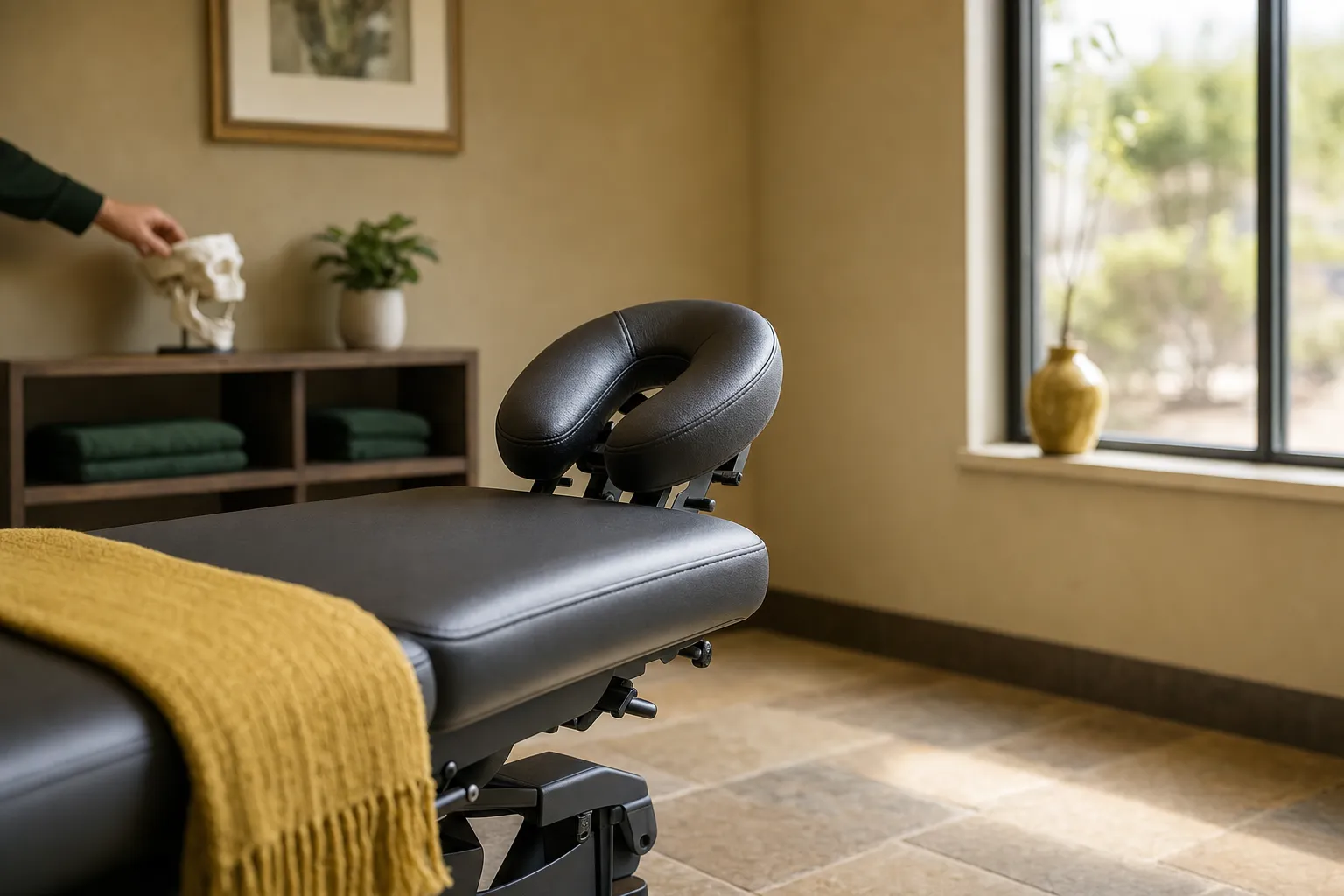
We answer this up front: a strong neck pain treatment plan for TMJ and jaw pain combines a careful cervical exam, targeted spinal adjustments, soft tissue and jaw specific work, a tailored home exercise program, and clear milestones so progress is measurable.
What we mean by a neck pain treatment plan
By treatment plan we mean a step by step approach that starts with a diagnostic assessment and ends with return to normal activity, or a maintenance strategy when ongoing care is needed. The plan focuses on the neck but includes the jaw when TMJ or jaw pain is present, because the two areas influence each other.
Quick summary
We evaluate posture, cervical joint motion, muscle tension, and jaw mechanics. Then we combine hands on care, soft tissue treatments, therapeutic movement, and lifestyle changes like ergonomics and sleep position. We track outcomes and adjust the plan every few visits.
Why this matters for people in Higley, Arizona
Neck pain that interacts with TMJ can reduce your ability to work, sleep, and enjoy daily life. Local factors matter, from office ergonomics in nearby neighborhoods to lifestyle habits common across Queen Creek and Higley. We are licensed and insured, and we treat residents from Higley and surrounding areas.
When jaw pain is part of the picture, focusing only on the jaw misses drivers in the neck and upper back. Addressing both areas improves outcomes and shortens recovery time.
Key concepts in a strong plan
- Comprehensive evaluation. History taking, movement testing, posture and an exam of the cervical spine and temporomandibular joint. We often include a jaw function screen when TMJ is suspected, and that directs what comes next.
- Targeted cervical adjustments. Joint mobilization and adjustments restore proper motion in the neck, which can reduce compensatory strain on jaw muscles.
- Soft tissue and myofascial work. Massage, trigger point release and instrument assisted techniques relax tight muscles that limit motion and create referred pain into the jaw.
- Jaw specific care. Gentle manual therapy for the TMJ, neuromuscular retraining, and guidance on jaw posture help when clicking, locking or pain occur.
- Therapeutic exercise. Home programs that improve deep neck flexor strength, scapular stability and jaw coordination are essential for lasting results.
- Ergonomics and sleep habits. Workstation setup, pillow selection and daytime posture reduce ongoing stress on the neck and jaw.
- Adjunct therapies. When appropriate we integrate massage, acupuncture, or shockwave therapy as part of a broader plan, chosen to match your goals and response to care.
- Measurement and milestones. Short term goals, pain tracking, and regular reassessment keep care focused and measurable.
How we put a plan together, step by step
- Detailed intake and exam. We document symptoms, look for red flags, test cervical motion and screen the TMJ. This determines whether care should focus more on the neck, the jaw, or both.
- Personalized treatment roadmap. We outline expected steps, typical timelines, and what tools we will use, including hands on adjustments and home exercises.
- Initial short course of care. Early visits aim to reduce pain, restore key motions, and teach self management techniques.
- Progressive rehabilitation. We add strengthening, motor control work, and ergonomic changes as pain declines.
- Reassessment and long term plan. After measurable improvement we discuss maintenance, prevention, and when to return if symptoms recur.
Comparison of common plan components
| Component | Purpose | How we use it |
|---|---|---|
| Chiropractic adjustment | Restore joint motion and reduce nerve irritability | Hands on cervical techniques to improve alignment and reduce compensatory jaw strain |
| Soft tissue therapy | Reduce muscle tension and referred pain | Targeted massage and trigger point release for upper trapezius, masseter, and temporalis |
| Therapeutic exercise | Build stability and retrain movement patterns | Daily exercises for deep neck flexors, scapular control, and jaw coordination |
| Adjuncts such as acupuncture or shockwave | Reduce localized pain and speed recovery | Used selectively when conservative care needs support |
What to expect in your first month
Typical early milestones
- Clear diagnostic summary after the first visit, including whether TMJ is a contributing factor.
- Immediate symptom relief strategies, such as positioning advice and simple exercises.
- Two to four visits focused on reducing pain and restoring key neck motions.
- An individualized home program to speed recovery between visits.
Pro tip: Small changes to your workstation and pillow can speed results. Ask about neutral head position at your desk and side sleeping adjustments that reduce jaw strain.
Watch out: Seek urgent care if you develop sudden severe neck pain with numbness, weakness, difficulty swallowing, or changes in vision. Those are not routine symptoms.
When neck care should include TMJ focused treatment
We add a TMJ focused approach when you report jaw clicking, locking, difficulty opening, or pain when chewing. In those cases we assess jaw range of motion, joint noises, and the timing of symptoms relative to neck movement.
Working together, cervical and jaw treatments reduce the cycle of tightness that keeps pain active.
Related services and how they fit
Neck pain plans often draw on multiple disciplines. Our chiropractic care coordinates with soft tissue therapies such as massage and rehabilitative programs. If your pattern suggests broader neck or back involvement we link to our back pain treatment approach for a consistent strategy.
For readers wanting an overview of jaw issues, our topic page on TMJ and jaw pain explains common causes and what to expect from care.
Helpful local resources and standards
Professional guidance on neck and spinal care is available from the American Chiropractic Association, which describes neck care and when to seek chiropractic services. We also reference NIH information on temporomandibular disorders for patient education. For occupational and workforce details on chiropractic professionals refer to the Bureau of Labor Statistics.
(Links: American Chiropractic Association, National Institute of Dental and Craniofacial Research TMJ information, Bureau of Labor Statistics chiropractors.)
Key takeaway
A strong neck pain treatment plan for TMJ and jaw pain blends a careful exam, cervical adjustments, jaw specific work, targeted exercises, and practical changes like ergonomics. Regular reassessment and measurable goals are what separate short lived relief from lasting improvement.
Frequently asked questions
How quickly will I see improvement with a combined neck and TMJ plan?
Many people notice reduced pain and improved motion within one to three visits, while meaningful functional gains typically occur over several weeks. Progress depends on symptom duration, severity, and how consistently you follow the home program.
Can chiropractic care make jaw clicking worse?
Properly directed chiropractic and manual therapy for the neck and jaw aims to improve joint motion and muscle balance. If a technique increases symptoms we stop and adjust the approach. Open communication helps us tailor care safely.
Do you treat patients from Higley and nearby neighborhoods?
Yes, we serve Higley and nearby communities. We are licensed and insured and treat people across Queen Creek and the surrounding area. For location details see our Higley location page.
Which treatments are commonly combined with neck care for TMJ?
Common additions include soft tissue therapy, massage, acupuncture, and targeted exercise. When appropriate we may also integrate shockwave therapy for certain persistent soft tissue conditions. The exact mix depends on your exam and goals.
Learn more and check our profile
Read patient reviews and get directions on our Google Business Profile, and learn more about our TMJ resources and neck pain services on this site.