
Short answer: Neck pain treatment is a diagnosis driven blend of hands on adjustments, soft tissue work, therapeutic modalities such as shockwave therapy and acupuncture, and a short term plan to restore pain free motion. At The $35 Chiropractor we assess the cause, explain what we find in plain language, and pick treatments that reduce pain and help you move better.
What neck pain treatment means
Neck pain treatment is not a single technique. It is a process that starts with a focused history and physical exam, continues with targeted hands on care and therapies, and includes guidance about activity and recovery. For many people the approach includes chiropractic adjustments, therapeutic massage, acupuncture, and device based therapies such as shockwave therapy. We combine those treatments based on what the exam shows, your goals, and how your neck responds to early care.
Why this matters for Gilbert and Queen Creek patients
Neck pain is common where people spend long hours looking at screens, lift heavy loads at work, or return to sports after an injury. In Gilbert, Queen Creek and San Tan Valley we see neck pain from desk work, construction and sports injuries. Left untreated, persistent neck pain can limit sleep, work and daily activities. Early, appropriate treatment often shortens recovery and lowers the chance of recurring flare ups.
Key concepts to understand
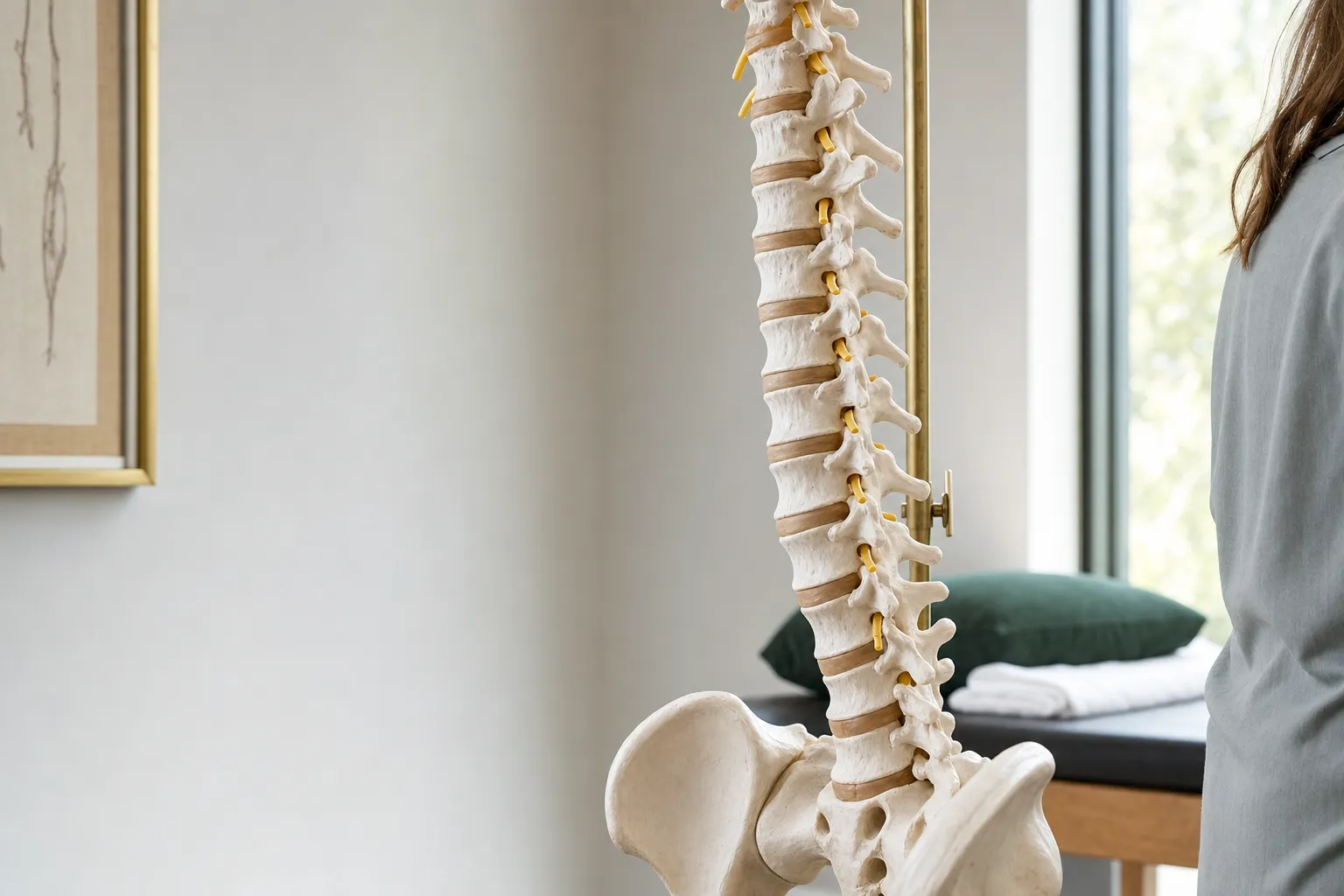
- Cervical spine. The neck has seven vertebrae that protect the spinal cord and support head movement.
- Common pain sources. Muscle strain, joint irritation in the facet joints, irritated nerve roots from a bulging disc, and myofascial trigger points.
- Pain science. Pain is an experience shaped by tissue irritability, nervous system sensitivity, activity and sleep. We use pain science to set realistic expectations and pace recovery.
- Evaluation matters. A careful exam separates mechanical neck pain from rare but serious causes such as infection, fracture or neurological deficit.
- Multi modal care. Combinations of hands on adjustments, soft tissue work, acupuncture and device therapies often give faster and longer lasting results than any single treatment alone.
How we evaluate neck pain
- Intake and history. We ask when the pain started, what makes it better or worse, work and sport activities, prior injuries, and medication use.
- Targeted exam. We assess neck range of motion, joint mobility, muscle tone, reflexes, and provocative tests for nerve involvement.
- Functional movement and kinetic assessment. We look at posture, shoulder and thoracic mobility, and how your movement patterns may be contributing. For more on movement testing see our Kinetic Assessment topic.
- Imaging when needed. Most neck pain does not require imaging. If neurological signs or a traumatic history are present we discuss imaging or referral to a spine specialist.
- Shared plan. We explain findings, outline likely options such as adjustments, massage, shockwave therapy or acupuncture, and set short term goals.
Treatment options we use and when they help
We tailor care to the underlying problem and to how you respond. Below are the main options we use at The $35 Chiropractor.
Chiropractic adjustments and manual therapy
Hands on adjustment helps restore joint motion and reduce mechanical irritation. It often gives quick pain relief and improved motion. Adjustments are combined with soft tissue techniques and guided movement to support longer term change.
Shockwave therapy
Shockwave therapy uses focused acoustic energy to stimulate tissue repair and lower pain in certain musculoskeletal conditions. We recommend it when persistent soft tissue dysfunction or chronic tendinopathy is a clear contributor. See our Shockwave Therapy service page to learn how we use it.
Massage and myofascial work
Targeted massage reduces muscle guarding, improves circulation, and prepares soft tissue for adjustment or activity.
Acupuncture
Acupuncture can reduce pain and help muscle relaxation. We use it as part of an integrated plan when it fits your preferences and the clinical picture.
Home management and activity guidance
We give specific but practical advice about pacing activity, sleep position and workstation setup. We do not hand you a long do it yourself protocol that replaces professional care, but we do explain safe ways to stay active between visits.
When we refer or order imaging
If you have progressive weakness, loss of bowel or bladder control, fever, sudden severe pain after a fall or accident, or signs of a serious neurological problem we recommend urgent medical evaluation and imaging. For routine mechanical neck pain imaging is rarely needed.
Treatment comparison at a glance
| Treatment | What it targets | When we choose it | Expected response |
|---|---|---|---|
| Chiropractic adjustment | Joint restriction and movement related pain | Mechanical neck pain with reduced motion | Often quick improvement in mobility and pain over a few visits |
| Shockwave therapy | Chronic soft tissue dysfunction and tendinopathy | Persistent localized soft tissue pain after conservative care | Gradual improvement over several sessions |
| Acupuncture | Muscle tension and general pain modulation | When muscle dominated pain or patient preference exists | Variable but can reduce pain and improve relaxation |
| Massage | Myofascial tightness and trigger points | When muscle guarding is prominent | Immediate relief that supports other treatments |
Signs you should see a chiropractor for neck pain
When to schedule an evaluation
- Neck pain that limits everyday activities or sleep
- Pain that persists more than a week despite rest and basic self care
- Pain that radiates into an arm with numbness or weakness
- Pain after a fall or collision even if symptoms seem mild
Pro tip: Small changes to your workstation and sleep position often reduce load on the neck. For detailed workplace strategies see our ergonomics at work topic.
Watch out: Seek urgent medical evaluation if you have sudden severe neck pain with fever, progressive arm or leg weakness, loss of coordination, or loss of bowel or bladder control.
Related services and topics we connect with
Neck pain often overlaps with other problems. We commonly coordinate care with related services and topics on our site.
- Neck Pain Treatment service page for our specific approach to neck conditions: Neck Pain Treatment
- Shockwave Therapy when soft tissue dysfunction persists: Shockwave Therapy
- Back Pain Treatment when symptoms cross into the thoracic or lumbar regions: Back Pain Treatment
- Topics that help you understand recovery and prevention, including Kinetic Assessment and Inflammation Management: Kinetic Assessment and Inflammation Management
What to expect at your first visit
Expect a clear, respectful evaluation. We will ask about your pain history and activities, perform a hands on exam, and explain our findings. If your case is appropriate for immediate hands on care we may begin treatment that day, and we will outline a short term plan with goals. We are licensed and insured, and Dr. Quentin Smith and the team explain each step so you know why we recommend particular treatments.
Key takeaway
Neck pain treatment is a tailored plan that combines hands on adjustments, soft tissue work, and supportive therapies like shockwave and acupuncture. The right sequence and combination matter more than any single modality. Early assessment helps shorten recovery and reduce flare ups.
Frequently asked questions
What causes neck pain?
Neck pain commonly comes from muscle strain, poor posture, joint irritation, disc bulge, or myofascial trigger points. Repetitive tasks, heavy lifting, and sudden injuries are common triggers.
Is chiropractic care safe for neck pain?
Yes. Chiropractic care is a conservative option supported by clinical guidelines for many types of mechanical neck pain. We perform a focused exam to confirm that hands on care is appropriate and safe for your situation.
How many visits will I need?
It depends on the cause and how you respond. Some people feel meaningful improvement in one to three visits. Others with chronic issues often need a short series of treatments plus a self care plan. We set measurable short term goals and review progress regularly.
Does shockwave therapy work for neck pain?
Shockwave can be helpful when chronic soft tissue dysfunction contributes to neck pain. We evaluate whether it is appropriate as part of an integrated plan. Response is usually gradual over multiple sessions.
Will treatment be painful?
Most patients experience relief. Some treatments cause soreness for 24 to 48 hours as tissues respond. We monitor how you feel and adjust force and frequency to keep care comfortable and productive.
What should I bring to my first visit?
Bring a list of current medications, recent imaging if you have it, and a brief summary of prior treatments. Wear comfortable clothing that allows neck and shoulder movement.
How does pain science change treatment?
Pain science helps us set realistic expectations and choose pacing that reduces threat and protects progress. We combine education, graded activity, and manual care to lower sensitivity and restore normal movement.
Learn more and check our local listing
Read patient reviews and get directions by checking our Google Business Profile. To learn more about our services and location, visit our Queen Creek location page.