
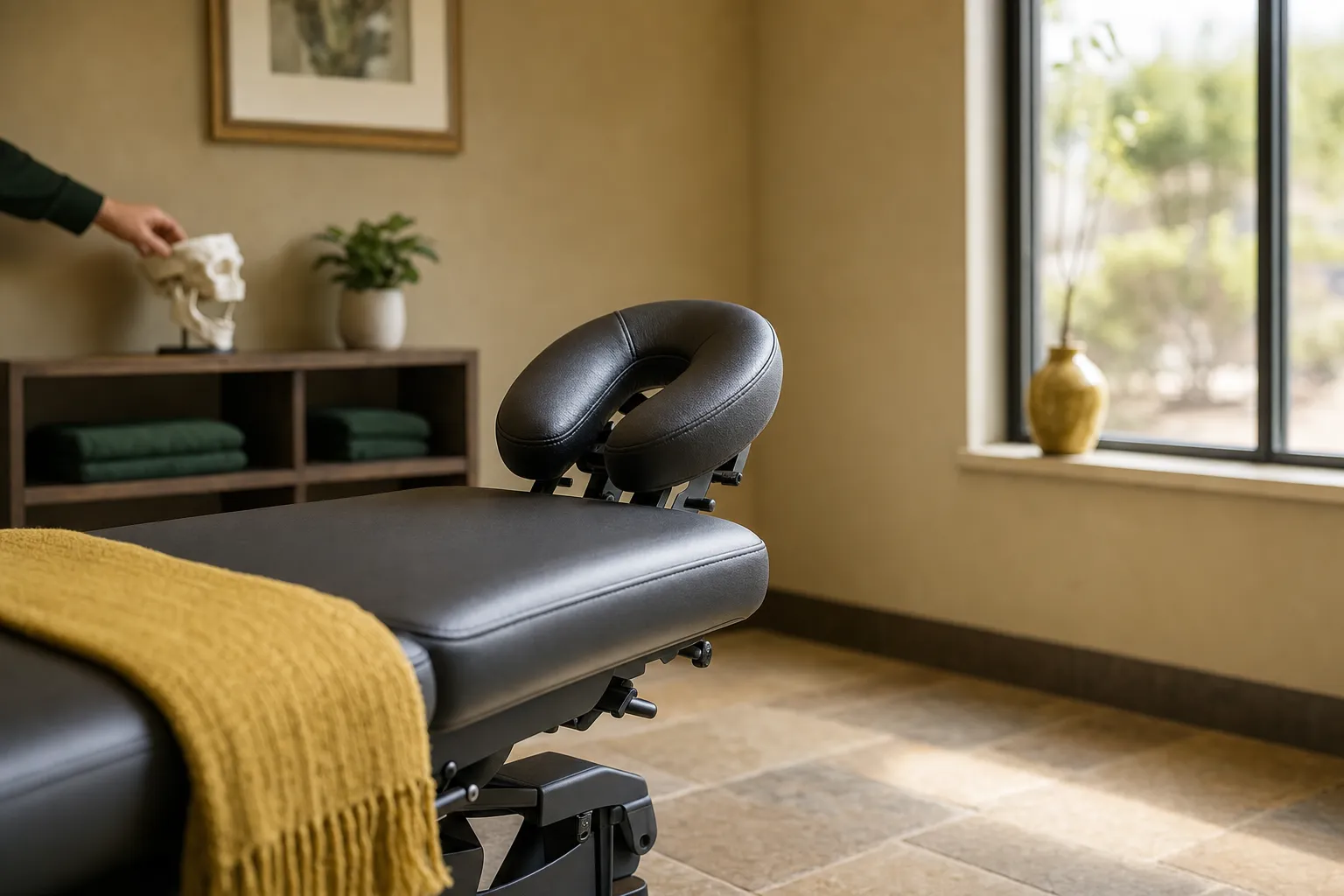
We treat TMJ and jaw pain with hands on adjustments, targeted soft tissue work, massage, acupuncture and shockwave therapy after a focused exam that looks at jaw mechanics, neck alignment and posture. In plain terms, we look at the jaw joint, the neck, bite related tension and daily habits, and then make a conservative plan focused on reducing pain and improving jaw movement.
What TMJ and jaw pain means
Temporomandibular joint disorders, often called TMJ or TMD, describe pain and dysfunction around the jaw joint and the muscles that move it. Symptoms range from jaw stiffness and aching to popping, clicking, or episodes where the jaw feels stuck or locked. Many patients also report headaches, ear fullness or neck tightness that relate to how the jaw and cervical spine work together.
According to the National Institute of Dental and Craniofacial Research, an estimated portion of the population experiences TMD symptoms that interfere with daily life, which is why a focused evaluation matters for deciding the best care path.
Common causes and contributing factors
TMJ pain rarely comes from a single source. In our experience the most common contributors we see are:
- Muscle overuse from clenching or grinding, especially during sleep.
- Jaw alignment or bite issues that create uneven load on the joint.
- Neck and upper back posture problems that change how the jaw tracks.
- Trauma or a sudden jaw injury.
- Stress and tension holding patterns around the face and neck.
- Referred pain from the cervical spine or temporalis and masseter muscles.
Because those factors interact, a successful plan addresses more than the joint itself. We check neck mechanics, shoulder posture and daily activities that load the jaw.
How we evaluate TMJ and jaw pain at The $35 Chiropractor
We begin with a focused history and hands on exam to find the likely pain generators and limiting mechanics. Our evaluation typically includes:
- A medical and dental history that notes trauma, oral habits and prior treatments.
- An inspection of jaw motion, noting range of motion, clicking, locking and symmetry.
- Palpation of the jaw, face and neck muscles to find tight or tender spots.
- Assessment of cervical spine movement and posture, because neck alignment often affects TMJ mechanics.
- Functional tests for chewing, speaking and bite related muscle activation.
When a dental issue appears to be the main driver, we explain why and suggest you coordinate care with your dentist. We do not replace dental evaluation for bite alignment or occlusal appliances.
Treatment approaches we use
We take a stepped, conservative approach that balances hands on care with self management and supportive modalities. The goal is to reduce pain, restore normal movement and address the causes that led to the pain.
Hands on chiropractic adjustments
We use precise spinal and cranial adjustments to improve neck alignment and reduce mechanical strain that can refer into the jaw. Adjustments aim to restore smooth movement through the cervical spine and upper thoracic area, which often eases tension in jaw muscles.
Soft tissue techniques and massage
Targeted soft tissue work to the masseter, temporalis and neck muscles reduces trigger points and improves circulation. Our massage and myofascial techniques are staged to be comfortable and measurable, not painful.
Acupuncture and dry needling
Acupuncture and dry needling can reduce muscle tension and interrupt chronic pain patterns around the jaw and neck. We offer these as part of a multimodal plan when appropriate.
Shockwave therapy and other modalities
For persistent soft tissue dysfunction we may add shockwave therapy or therapeutic modalities to promote tissue remodeling and reduce chronic pain. Shockwave is one tool among several and is recommended only when the evaluation shows a likely benefit.
Supportive home strategies
We teach brief, practical habits you can use at home to protect the jaw while you recover. These include activity modification, posture cues and simple relaxation strategies. We avoid long, prescriptive routines that would replace professional care.
Our approach is collaborative. We share findings and the rationale for each element of the plan so you understand what to expect and why we chose it.
What a typical visit looks like
- Step 1. Intake and history. We review symptoms, prior care, dental history and daily habits that affect the jaw.
- Step 2. Focused exam. We assess jaw motion, palpate key muscles and screen the neck and upper back.
- Step 3. Initial hands on care. Short, gentle adjustments and targeted soft tissue work to reduce acute pain and muscle guarding.
- Step 4. Home guidance and self care. Brief activity advice, posture tips and relaxation strategies to use between visits.
- Step 5. Follow up and plan. We set realistic timelines, monitor progress and add therapies like acupuncture or shockwave if needed.
Expect visits to focus on measurable changes, not long procedures. Many patients notice improved comfort and jaw mobility within a few visits, though chronic cases take longer.
Pro tip: Sleep bruxism and daytime clenching are common drivers of jaw pain. If you wake with jaw soreness or tooth sensitivity, mention it during your visit so we can address the behavior with targeted strategies.
When to see a provider and red flags
See a professional if jaw pain limits eating, talking, sleeping or if the jaw locks open or closed. Immediate evaluation is warranted for progressively worsening symptoms, facial swelling, sudden inability to close the mouth or signs of infection such as fever.
Watch out: If you have sudden facial numbness, difficulty speaking, or drooping on one side of the face, seek emergency care. Those signs suggest a serious condition that needs urgent medical attention.
How TMJ care ties to other services we offer
Jaw pain often coexists with neck pain, headaches and upper back tension. We coordinate care across related treatments to address the full picture. Relevant pages you may find useful include our chiropractor services, the neck pain treatment page and our topic page on TMJ and jaw pain.
We also treat patients from Chandler and surrounding communities, and our Queen Creek location handles many referrals from Chandler residents looking for conservative, clinic based TMJ care. Learn about our local practice at the Queen Creek location page for context about service area and clinic hours.
For patients whose symptoms overlap with broader musculoskeletal issues we may also reference our back pain treatment and shockwave therapy pages when developing a comprehensive plan.
Practical tips for living with jaw pain
- Reduce hard or chewy foods until pain eases. Soft, easy to chew meals lower load on the joint.
- Avoid wide yawning or holding the mouth open for long periods.
- Practice gentle posture checks during the day, especially if you work at a computer.
- Use simple relaxation techniques for the jaw and neck if you notice clenching.
- Keep a short symptom diary so you can show patterns to your clinician.
What to bring to your first visit
- Any recent dental or imaging reports related to the jaw.
- A list of medications and relevant medical history.
- Notes on activities that trigger your symptoms, such as chewing habits or recent injuries.
Key takeaway
TMJ and jaw pain respond best to a focused, conservative approach that treats the jaw, neck and contributing daily habits together. Our exam identifies likely drivers and guides a plan that mixes hands on adjustments, soft tissue care, massage, acupuncture and appropriate modalities to reduce pain and restore function.
Frequently asked questions
Can a chiropractor help with jaw clicking and popping?
Yes. A chiropractor can help when clicking or popping relates to muscular imbalance, neck alignment or joint mechanics. Our work reduces tension in the muscles that move the jaw and improves neck movement, which often decreases clicking. If the issue is primarily dental, we will advise you to follow up with your dentist.
Is shockwave therapy appropriate for TMJ problems?
Shockwave therapy is sometimes useful for persistent soft tissue dysfunction around the jaw and neck. We recommend it only after an assessment shows a likely benefit, and we combine it with hands on care and home strategies rather than using it alone.
Will TMJ treatment require dental work or a mouth guard?
Some patients benefit from dental interventions such as an occlusal appliance. We evaluate jaw mechanics and, when dental factors are significant, we coordinate care with your dentist rather than replace dental evaluation. An appliance may be recommended by a dentist, not by our clinic alone.
How long before I see improvement?
Many people notice reduced pain or improved range of motion within a few visits. Chronic cases take longer and require a staged plan. We set realistic expectations during the first visit and track measurable progress so you know whether a plan is working.
Do you treat patients who live in Chandler?
Yes. We serve Queen Creek, Chandler and nearby communities. If you live in Chandler and want to learn how we approach TMJ care, our topic page on TMJ and jaw pain and our Queen Creek location page offer useful context.
Learn more and check our local reviews
Read patient feedback and get directions on our Google Business Profile to see recent reviews and photos. For more about how we approach this condition, read our TMJ and jaw pain topic page and our chiropractor service page.